Book of the Day
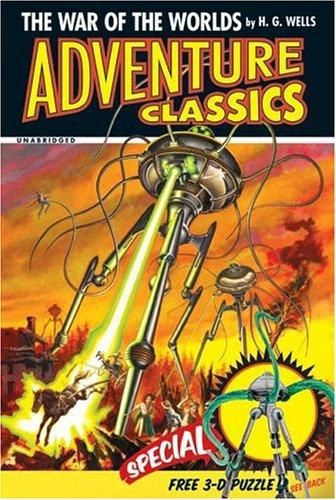
The War of the Worlds
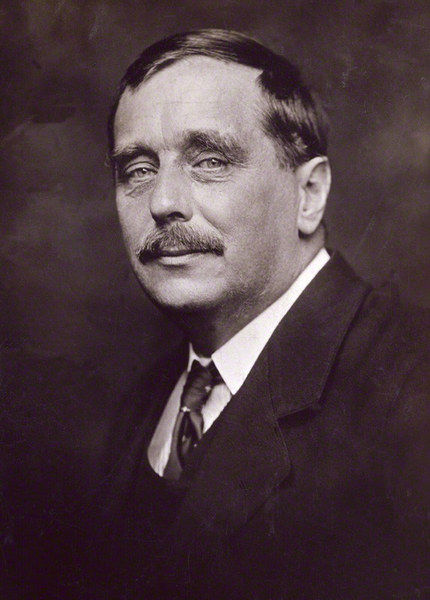
H. G. Wells · 1898
Everyone knows the night America panicked over a Martian invasion. The best evidence says it barely happened — and that the newspapers invented most of it.
The broadcast
On 30 October 1938, Orson Welles and the Mercury Theatre on the Air adapted Wells's forty-year-old novel for radio. The clever, and cruel, decision was the format: instead of narrating a story, they staged an ordinary music programme repeatedly interrupted by increasingly urgent news bulletins reporting something landing in New Jersey.
The next morning the front page of The New York Times read: "Radio Listeners in Panic, Taking War Drama as Fact."
The story went round the world and has never left. Americans fleeing their homes. Wet rags pressed to faces against Martian gas.
What the numbers say
Later research tells a duller and far more interesting story.
The Princeton psychologist Hadley Cantril estimated around six million people heard the broadcast, and that perhaps 1.2 million were frightened or disturbed by it. Frightened is not the same as fleeing. Nothing approaching a nationwide panic has ever been substantiated.
Modern scholarship goes further: the panic was largely manufactured after the fact by newspapers, which had a commercial motive. Radio was taking their advertising revenue, and a story proving that radio was reckless and dangerous was extremely convenient.
The myth that outlived the book
So the most famous fact about The War of the Worlds is not really about the novel at all — it is about a radio play, and it is mostly wrong, and it survives because it was useful to the people who printed it.
A story about an invasion became a story about how easily a story spreads.
Awards and screen
The novel has been adapted continuously for more than a century in radio, film and television — most famously the 1938 Welles broadcast, and again as a 2005 feature film directed by Steven Spielberg starring Tom Cruise.
Did you know
- The famous 1938 panic is largely a myth — no nationwide panic has ever been substantiated.
- Around six million people heard the broadcast; roughly 1.2 million were estimated to have been frightened.
- Newspapers had a financial motive to exaggerate it: radio was taking their advertising money.
- The New York Times headline did more to create the legend than the broadcast did.
- The novel was already forty years old when the broadcast made it infamous.
Is this book on a shelf near you?
BookHome is a neighbourhood book exchange. See who nearby has a copy to lend, swap or sell.