Book of the Day
The Jungle
Upton Sinclair · 1906
He spent seven weeks undercover in the Chicago stockyards to write a book about exploited workers. What the public noticed was what was in the sausages. "I aimed at the public's heart, and by accident I hit it in the stomach."
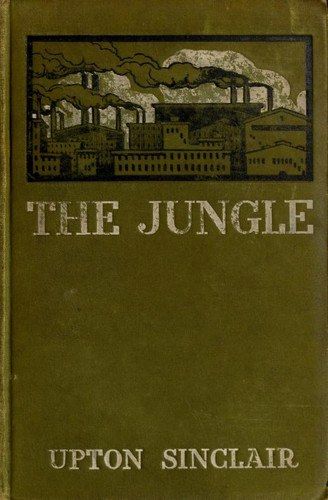
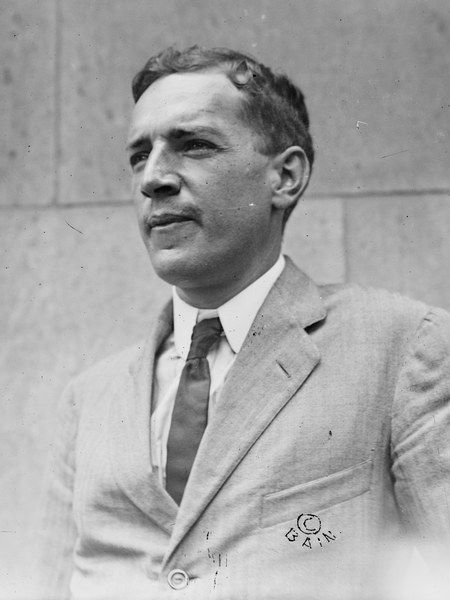
Seven weeks in the stockyards
In 1904 a socialist weekly, Appeal to Reason, paid Sinclair five hundred dollars to write about the condition of workers in Chicago's meatpacking district. He was twenty-six.
He went and lived among them for about seven weeks. He walked into the plants carrying a lunch pail, because a man with a lunch pail is a worker and nobody stops him. He sat in the packers' houses in the evenings and listened. He watched the killing floors, the rendering rooms and the cellars.
What he was documenting was the destruction of people: sixteen-hour days, wages that could not keep a family, injuries that ended a life's earning in a second, no compensation, and an immigrant workforce that could be replaced the same afternoon. The filth was incidental to his argument. It was evidence of contempt for workers, not his subject.
Rejected, then enormous
Five publishers turned it down as too shocking. Sinclair, by his own account raging, decided to publish it himself and had begun doing exactly that when Doubleday, Page made him an offer. It appeared in 1906.
The reaction was immediate and, from Sinclair's point of view, entirely beside the point. Readers were not moved by the men falling into rendering tanks. They were appalled by what was going into the food: diseased cattle, rats, chemical treatments to disguise spoiled meat.
Sinclair's own summary of this became the most famous sentence he ever wrote:
> "I aimed at the public's heart, and by accident I hit it in the stomach."
The law it produced
President Theodore Roosevelt read the book and sent investigators to Chicago. Their report largely confirmed it. Roosevelt disliked Sinclair's politics and said so, but acted anyway.
In 1906, the same year the book appeared, Congress passed the Meat Inspection Act and the Pure Food and Drug Act. The agency that grew out of the second is now the Food and Drug Administration.
American meat exports had collapsed as European buyers read the book; the large packers, who had opposed regulation for years, came round to supporting federal inspection once it became the only way to restore confidence in their product. Regulation passed partly because the industry decided it needed it.
Why it still matters
Almost nothing changed for the workers Sinclair actually wrote about. Conditions in the packing houses stayed brutal for decades. What changed was the safety of the product, because that was what the reading public — who ate the meat but did not work in the plants — took personally.
That is the uncomfortable lesson in this story, and it is worth stating plainly rather than softening: a book can change the law and still fail at what its author intended.
Did you know
- He spent about seven weeks undercover, walking in with a lunch pail.
- Five publishers rejected it. He had already started self-publishing when Doubleday made an offer. ✓
- Two federal laws passed in 1906, the year of publication.
- The FDA traces its origins to one of them.
- "I aimed at the public's heart, and by accident I hit it in the stomach."
- Conditions for the workers barely improved, which is not how the story is usually told.
Is this book on a shelf near you?
BookHome is a neighbourhood book exchange. See who nearby has a copy to lend, swap or sell.